


The inspection can be one of the most nerve-wracking parts of the home buying process. You’ve found your dream house, made your offer, and now have to nervously wait for the report. If the inspector finds a big issue, the deal could fall apart.
It’s easy to panic when you first see a list of problems on the inspection report. However, not every issue revealed in the inspection will be a deal-breaker. If you’re in the market as a home buyer, you should understand how to interpret the inspection report and differentiate between major repairs and normal maintenance.

Understanding the Purpose of Home Inspections
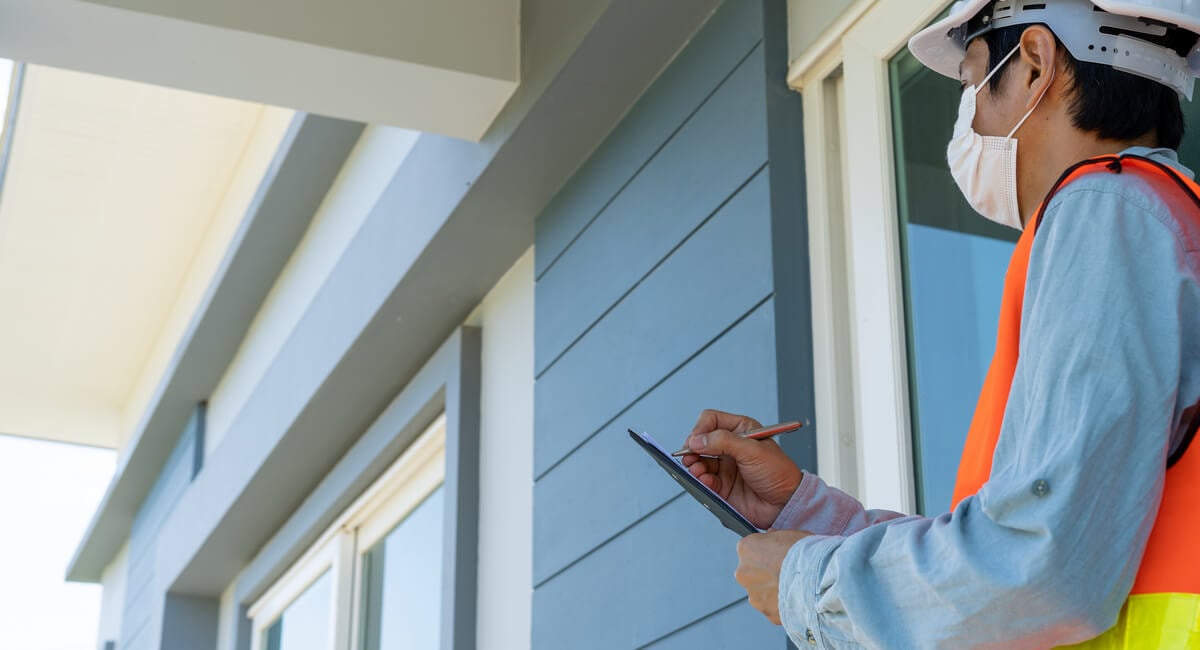
A home inspection serves several important purposes for buyers. Most importantly, it helps you determine whether the property is worth your offered price. When you make an offer on a house, you have to use your best judgment based on the information that’s readily available. The inspection looks deeper to reveal potential problems that you just can’t see during a showing.
If you include an inspection contingency in your offer, you can either renegotiate the deal or walk away altogether if the inspection is unfavorable. Many buyers negotiate with sellers to lower the sale price to offset the cost of the work the home requires. Sellers may also agree to give the buyers a credit at closing or complete the repairs prior to closing.
In some cases, mortgage lenders require borrowers to get home inspections for the loan to be approved. For example, to get a loan from the Department of Housing and Urban Development (HUD), the property will need to be inspected by an approved inspector. If certain requirements are not met, your funding will be denied.
Lastly, the home inspection gives you more information about the overall quality and condition of the house. With this knowledge, you can start budgeting for repairs you may need in several years. If you want to pursue upgrades or renovations, the inspection can help you understand your starting point.

“Problems” That May Not Be Problems
Not every issue that’s noted on your inspection report will be cause for panic. Virtually every inspection reveals some problems, but many are easy, non-emergent fixes that shouldn’t make you rethink your decision to purchase the home.
Here are 10 “problems” on an inspection report that may not be as dire as they seem:

1. Aging Roof
Replacing the roof is one of the most expensive home maintenance projects, so a failing roof does affect a property’s value. However, a roof that’s on the older side but is still in good condition shouldn’t be cause for panic. The roof most likely has enough life left that you can budget over time for a new one.
2. Aging HVAC System
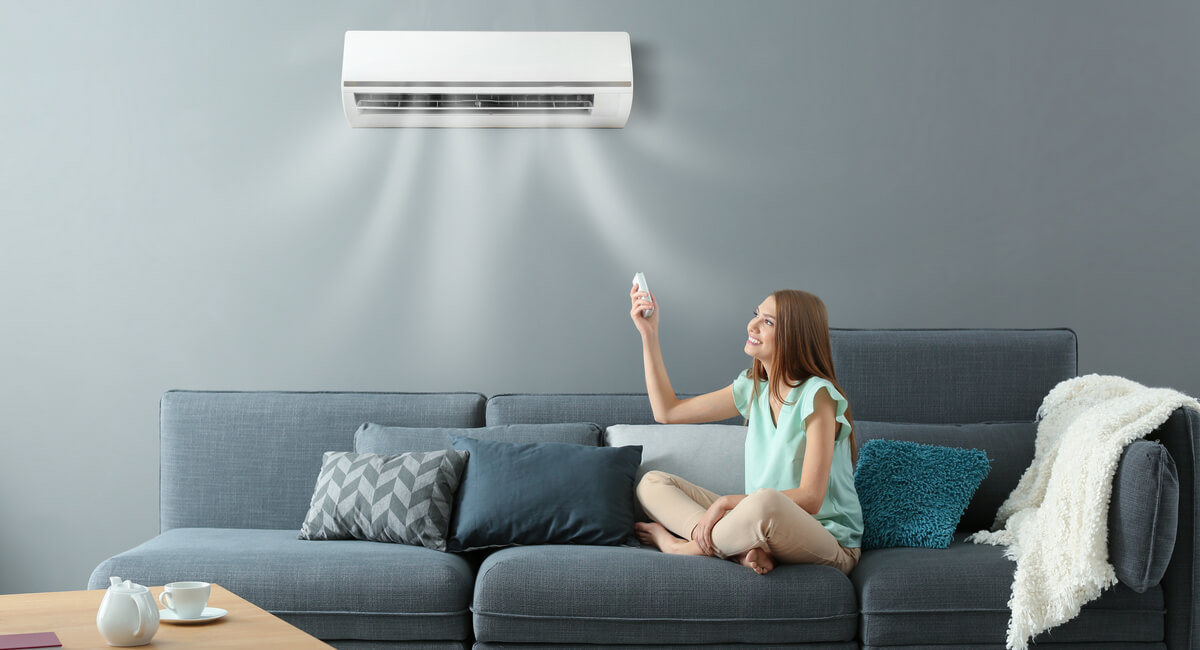
Similarly, an old HVAC system that’s otherwise in good condition shouldn’t automatically be your reason to exit the deal. If the system has been properly maintained, it could still have a lot of life left. The condition of the system is a bigger concern than its age.
3. Water Drainage Problems
Water drainage problems can be easy fixes or major concerns, so it’s important to ask clarifying questions if your inspector flags this. However, some corrections, like repositioning a downspout or fixing improperly graded garden beds, are fairly easy and inexpensive.
4. Plumbing Leaks
In most cases, a leaky faucet or shower is an easy DIY fix or an inexpensive job for a handyman. Larger plumbing leaks can be bigger problems and can result in mold or other complications, but a simple dripping tap should not alarm you.
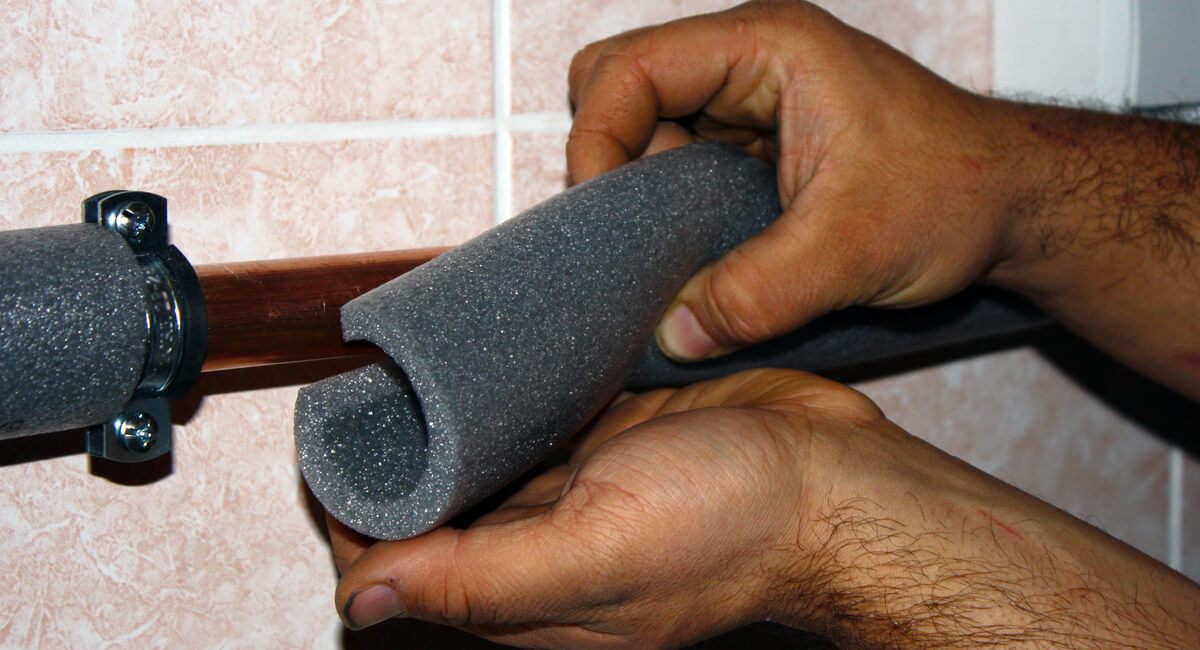
5. Insulation Issues
Your inspector might note that an attic or other unfinished area is insufficiently insulated. In extreme cases, this could result in higher heating and cooling costs across the entire house. However, poor insulation in an unfinished space is not an emergency, and it’s typically not a very expensive fix.
6. Small Drywall Cracks
Hairline cracks in drywall are usually not a problem. Horizontal cracks or cracks that exceed 1/8 inch in width can indicate a more serious issue with the foundation. If your inspection report notes cracks in the wall, you should clarify their size, location, and whether the inspector suspects they could be a sign of a foundation problem.
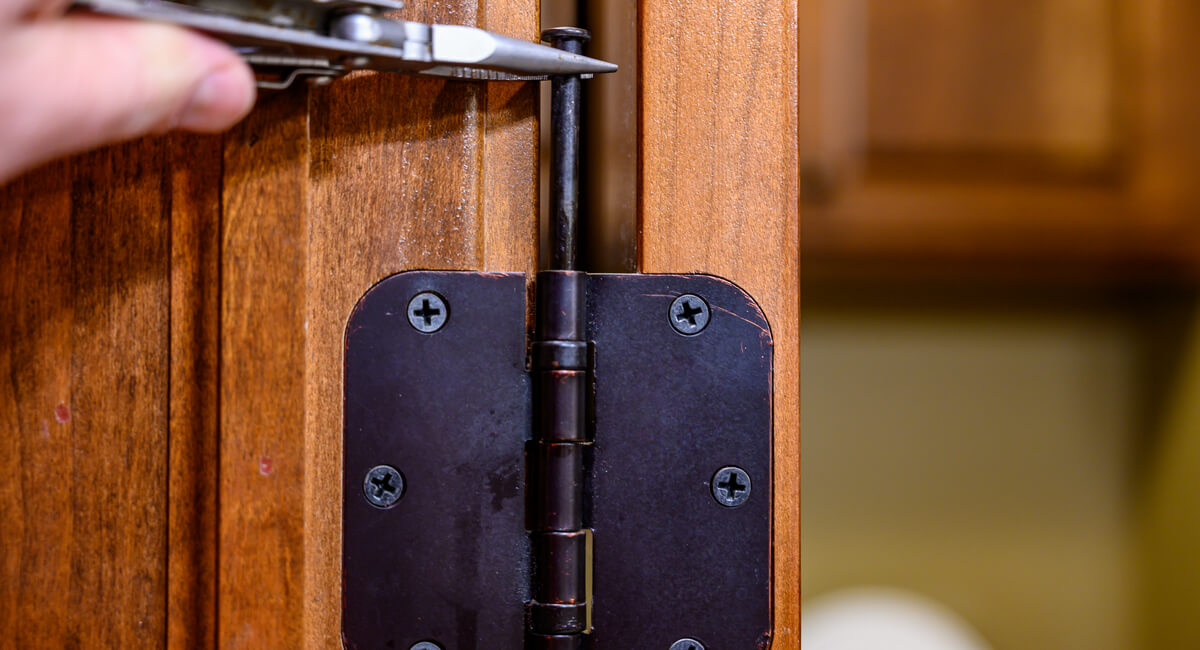
7. Doors That Don’t Close
Interior doors can become difficult to shut due to seasonal changes in temperature and humidity or due to structural movements of the home. This can create concerns about fire safety and temperature control throughout the house. Sometimes, improperly closing doors indicate a foundation issue. You should investigate this problem further, but it isn’t necessarily a reason to panic.
8. Missing Anti-Tip on Oven
An anti-tip bracket prevents a freestanding oven from tipping forward. This is an important safety measure, especially if you cook large meals in the oven or have young children. Adding an anti-tip bracket to the range is one of the easiest and cheapest home improvement projects, though.
9. Faulty GFCI
GFCIs are safety features that shut off your electricity when a ground fault is detected. They’re often installed on outlets in kitchens, bathrooms, and garages. A faulty GFCI can cause frequent tripping and damage to electrical appliances. While this is an electrical problem that should be addressed with some urgency, it’s typically an easy and inexpensive repair.

10. Peeling Paint
Unless the house was painted prior to 1978 when lead-based paint was banned, peeling paint is usually just a cosmetic issue. You likely noticed it during the showing, and it probably won’t deter you from closing on the home. If you’re getting an FHA mortgage, the FHA appraiser may flag the peeling paint and request it be fixed. In this case, you can negotiate with the seller on the repairs prior to closing.
Avoiding Buyer Panic
Keeping a cool head during the home buying process is easier said than done, but it’s critical that you stay calm so you avoid making any rash decisions. Here are three strategies for avoiding panic over your home inspection:

Attend the Inspection
Home buyers should always try to attend the inspection. The inspector can reveal their findings to you in real time and explain how big of a concern these issues are. If you have any questions, you can get clarification right away.
Review the Report With Your Agent
If possible, sit down with your real estate agent to review the report instead of reading it on your own. Your agent can help you determine which issues need immediate attention and which are no big deal.
Get Specialized Inspections
A standard home inspection may not give you all the information you need about a property. If you have concerns about pests, foundation problems, water damage, or other specialized areas, consider getting an additional inspection to look into these issues.
Problems on your home inspection report don’t have to be dealbreakers. While your report could reveal expensive, dangerous issues that need to be addressed immediately, not every item on the report is an emergency. Ask questions and consult with professionals to understand your inspection report and determine the best next steps.